

Coming from thermodynamics, and global engineering as well, these systems and processes consist of certain elements that promote the effective and safe transportation of liquids and gases. For instance, Quite a few systems that utilize fluids employ the non-return valves, often called check valves. In this article we will define the non-return valve, its principle of operation, applications, and the situation in which it is needed in different industries.
What is a Non-Return Valve?
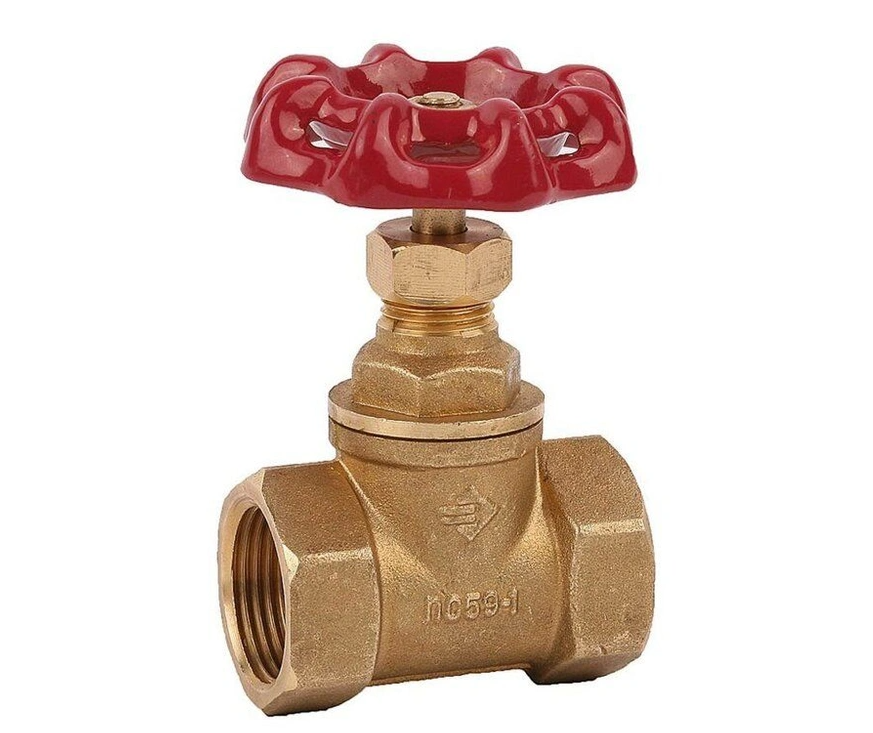
A non-return valve is a valve which permits the flow of fluid in one direction only. It is useful in preventing backflow which can be detrimental in situations where backflow can lead to a loss of efficiency or even cause damage. There are different variations of non-return or check valves such as swing check valves, lift check valves and diaphragm check valves which have their own areas of use and types of fluids.
How Does a Non-Return Valve Work?
It is simple to comprehend how a non-return valve works. This device is composed of two significant parts only: the body of the valve and the element which closes the valve, this is often a disk or a ball. Here’s how it works:
Forward Flow: In this case, the fluid is flowing in the predetermined direction and thus pressing the closing element and this closing element is lifted or moved aside permitting the fluid to flow through.
Reverse Flow Prevention: however, should the fluid try to reverse the flow direction and go back, the closing member goes back to its initial position preventing the valve from any forward motion thus back flow reverse is prevented.
Applications Of Non-Return Valves
Non-Return Valves find a Wide range of uses, among which are Included the following:
Pumping Systems: In order to prevent backflow which may cause damage to the pumps or cause cavitation.
Water Supply System: In this system non return valves help maintain the water pressure and also helps guard against contamination due to backflow.
Heating Systems: A non-return valve prevents hot water from escaping from the system and ensures that the water being heated flows appropriately and does not return to the heating unit.
HVAC Systems: To regulate air flow within the system and eliminate the occurrence of backdraft especially in the ducting systems.
Wastewater Treatment: To stop the backflow of contaminated water into clean water systems.
The Role of Non-Return Valves
Equipment Protection: Pumps, compressors, and other equipment are safeguarded against any damage that may result from reverse flow because of non-return valves.
Effective Maintenance: These valves also help optimize flow rates and system pressures to improve effective maintenance as they eliminate back flow.
Prevent Contamination: Non-return valves are important in the management systems to prevent back flow where it may contaminate the system or create danger to the system user.
Reductions in Operational Costs: Non-return valves aid in avoidance of expendable system failures and keep the efficiency; thus they can save huge costs for maintenance and repairs.
Selecting the Appropriate Non-Return Valve
When deciding what non-return valve to use, the following elements should be taken into account:
The Medium: Make sure that the valve is made of a material that is safe for the fluid that is being used.
Pressure and Temperature Limits: The valve should be able to withstand the working conditions of your system.
Flow Capacity: Select a valve that does not cause too much pressure loss while passing the required flow.
Position of Installation: Installation of some valves is allowed in vertical position only while others can also be horizontally installed.
What is a Screwed Valve?
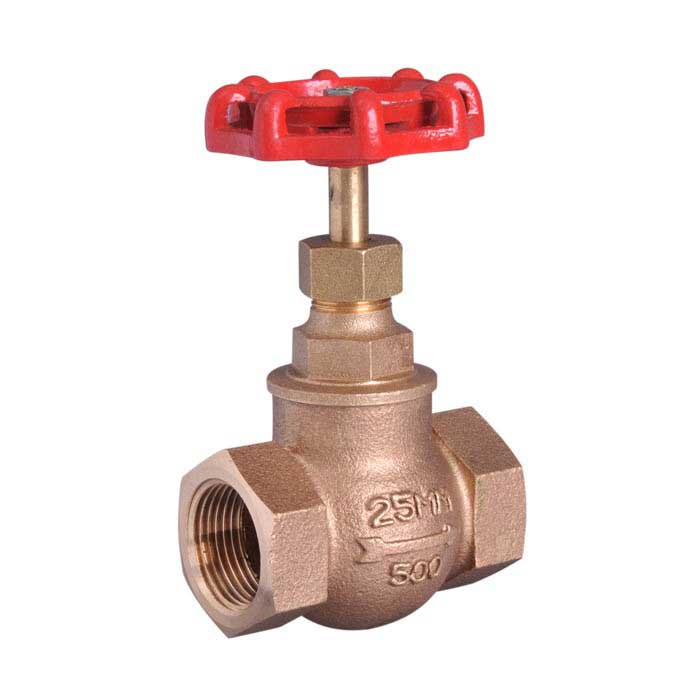
A screwed valve can be defined as any valve to a pipe or system where a screw connection is employed. Such valves may be any gate valve, globe valve, ball valve, etc., used mainly to stop or start the flow of a medium or change its direction.
General Characteristics of Screwed Valve:
Screwed Connection: Screwed valves have male threads or female threads at their ends which help to easily fix the valves with in the pipelines by screwing.
Manual or Automated: It’s possible to operate Screwed valves using manually operated mechanism (handle or wheel) or in a fully automatic mode with an actuator.
Control over Flow: Control over flow through these valves is very effective whether starting or stopping or controlling the rate of flow.
Range of Types: Screwed valves are of various types like ball valves, gate valves, globe valves etc. With variations for their uses.
Easily Compact and Install: Shrunk valves are generally small and easily fitted and are mainly made for less than 7 bar pressure systems.
Screwed Valve vs. Non-Return Valve: Key Differences
| Feature | Screwed Valve | Non-Return Valve |
|---|---|---|
| Connection Type | Threaded (screwed) connection to pipelines. | Not defined by the connection method; focuses on function (backflow prevention). |
| Flow Control | Provides manual or automated control over the start, stop, or regulation of flow. | Only allows one-way flow; does not regulate the flow but prevents backflow. |
| Operation | Manual (handle or wheel) or automated (actuator). | Automatic, based on system pressure and flow direction. |
| Primary Function | Start/stop or regulate the flow of fluids. | Prevent backflow and ensure unidirectional flow. |
| Typical Applications | General fluid regulation in piping systems, industrial plants, HVAC, and water supply systems. | Preventing backflow in pumps, water supply, wastewater treatment, heating systems. |
| Installation & Maintenance | Simple installation with threaded connections; moderate maintenance depending on the valve type. | Minimal maintenance; operates automatically and often requires less intervention. |
| Pressure Handling | Suitable for low- to medium-pressure systems. | Can handle various pressures, especially in backflow prevention. |
Conclusion
Both screwed valves and non-return valves are essential in fluid control systems, but they serve different purposes. Screwed valves are designed for regulating, starting, or stopping fluid flow, with a focus on manual or automatic control. Their threaded design makes them easy to install and maintain, particularly in low- to medium-pressure systems.
In contrast, non-return valves allow fluid to flow in only one direction, preventing backflow, which can damage equipment or contaminate systems. They are crucial in applications where reverse flow would be harmful.
Choosing the right valve, whether for flow control with a screwed valve or backflow prevention with a non-return valve, ensures optimal system efficiency, safety, and durability in industries like water supply, HVAC, and wastewater treatment.


