
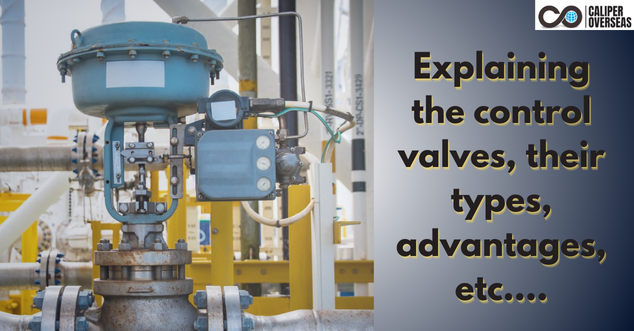
Accurately controlling the flow of water in many industrial processes is essential for efficient and safe operation. At the center of these systems is an important component: the control valve. The definition of control valves, their modifications, applications, and importance in various industries will all be discussed in detail in this blog post.
Control Valve: What Are They?
A control valve is a device that controls the flow of fluid (water, air, or sewage) through the system. It adjusts the flow and pressure in response to input from the controller. Control valves are necessary to maintain desired operating conditions, increase efficiency, and guarantee safety when fluid flow is changed.
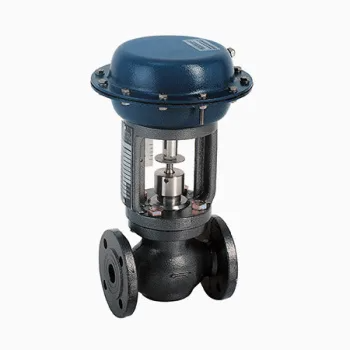
How Do Control Valve Work?
Control valves operate on the basis of a feedback loop system, which generally consists of the following elements:
Actuator: This unit receives signals from the control system and adjusts the position of the valve accordingly. The actuator can be electric, pneumatic, or hydraulic.
Valve body: The main part of the control valve, where the flow is controlled. It has various internal components, such as plugs, seats, and trim.
Positioner: This device fine-tunes the position of the valve by comparing the desired flow rate (setpoint) with the actual flow rate (measured by the flow sensor). It sends a correction signal to the actuator.
Controller: The brains of the system, sending commands to the position generator based on process parameters such as temperature, pressure, and flow rate. When the action state deviates from the set point, the controller changes the position of the valve, thereby changing the flo and restoring the desired state.
Types of Control Valves:
There are several types of control valves, each designed for a specific application:
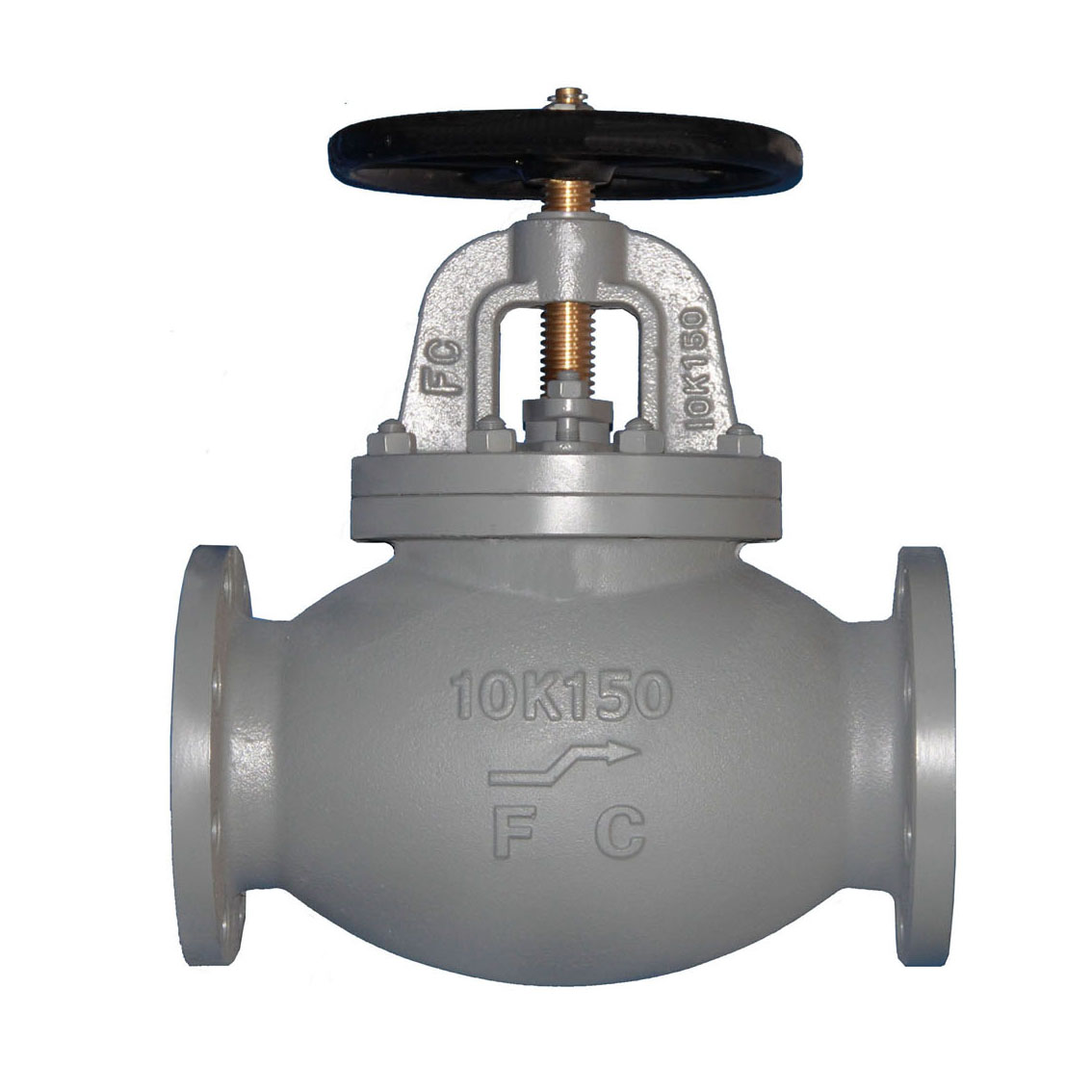
Globe valves: These valves are ideal for choking applications due to their excellent flow control capabilities. Their curved bodies allow water to pass through easily.
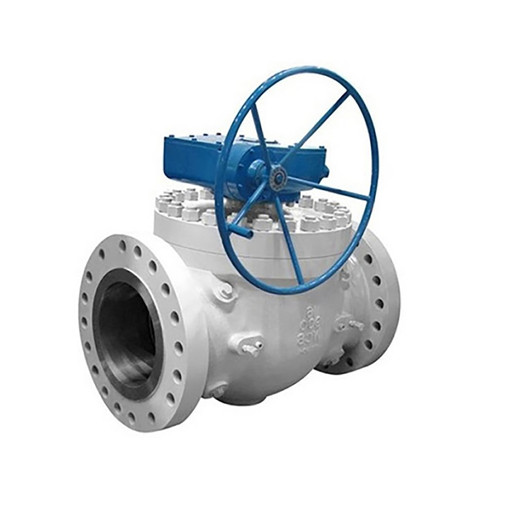
Ball valves: These valves use a circular disc to control the flow. They have fast processing capabilities and are good for on/off control, but not very successful at throttling.
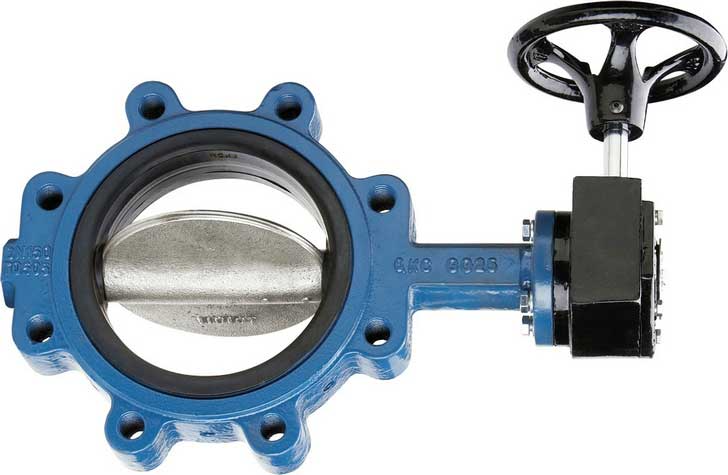
Butterfly valve: Butterfly valves use a rotating disc to control flow. They are lightweight and ideal for large pipe applications.
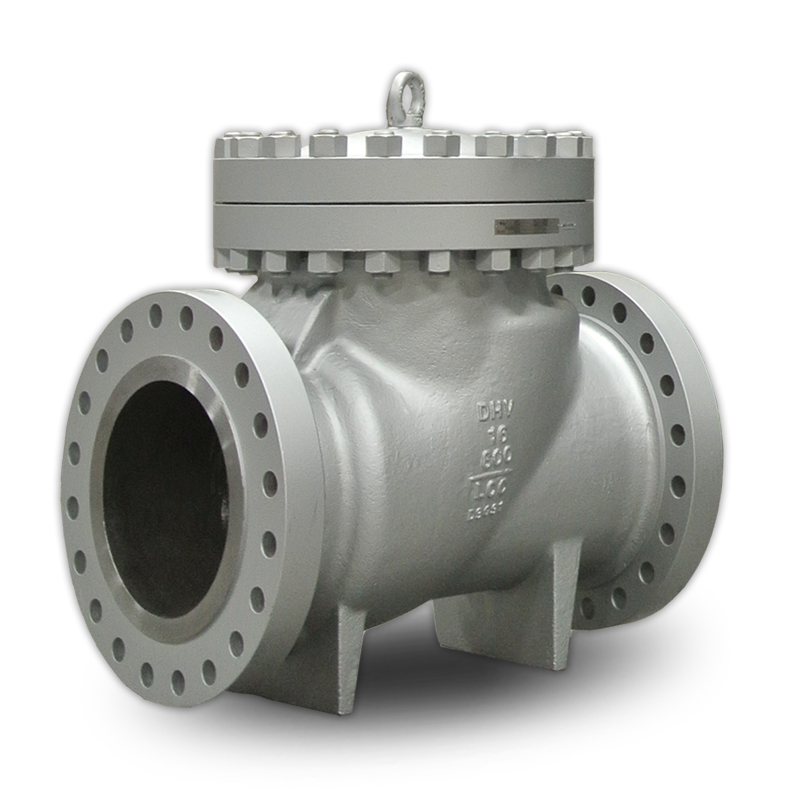
Check valves: Check valves while not controlling valves to prevent return flow to the system by ensuring that water flows in one direction.
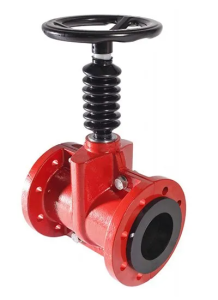
Pinch valve: Pinch valves are ideal for handling slurries and solids when the flow is restricted by the flexible pinch tubing.
Applications of Control Valves:
Control valves are used in a wide range of applications, e.g.
Petroleum and Gas: crude oil and natural gas pipeline design.
Chemical Control: Control of various chemicals flowing during manufacture.
Water Management: Control of water flow in catchment areas to ensure safe drinking water.
Power Generation: Steam and drainage systems for power plants.
HVAC system: controls temperature and air pressure in heating, ventilation, and air conditioning units.
Control valves are important for several reasons:
Process efficiency: System efficiency is improved by ensuring that the correct amount of water flows through the system, reducing waste, and improving energy efficiency.
Safety: By regulating flow and pressure, control valves help prevent hazardous conditions such as overpressure and leaks.
Process control: Process changes are enabled to be precisely controlled, contributing to quality and consistency.
What Factors are to be Considered while Selecting a Valve?
When selecting a control valve for any application, several factors must be considered to ensure proper operation and durability while selecting the control valve:
Fluid Characteristics: It is important to understand the characteristics of the fluid (e.g., corrosiveness, temperature, viscosity), as they affect valve material selection and design.
Flow Rate and Pressure: Specifies the flow rate and pressure range required to select a valve that meets operational requirements.
Control Type: Decide whether throttling or on/off control is required, as this will affect the type of valve and actuator required.
Type: Consider the type of operation (air, electricity, water) based on system requirements and available resources.
Size and connection type: Make sure the valve is sized for the pipeline and the connection type is compatible with the system to prevent leaks and pressure drops.
Compliance: Verify that the valve selected complies with the relevant industry standards and regulations for the specific application.
Maintenance and Reliability: Check the ease of maintenance and reliability of the valve to ensure long-term service and reduced downtime.
Conclusion :
Control valves play a pivotal role in fluid management systems by regulating flow and pressure, ensuring optimal performance and efficiency across various applications. This knowledge enables the design of efficient and reliable systems that meet the specific needs of diverse industrial applications.


